Hear the difference
before you buy.
Real recordings of four noisy places, played through each pair's published noise reduction. Headphones on, volume comfortable.
Model
Noise control Simulation
Slide left for transparency, which lets the room in, to the middle for no noise cancelling, and right for maximum noise cancelling.
A simulation built from the curve each model publishes: it shows the difference between pairs, not the exact sound in your ears.
Compare up to three.
Battery, weight, how much quieter they make the world, and the price. The best figure in each row is marked.
Find your fit.
In the ear, on the ear or around it. Each fits a different head, a different day and a different pair of glasses.
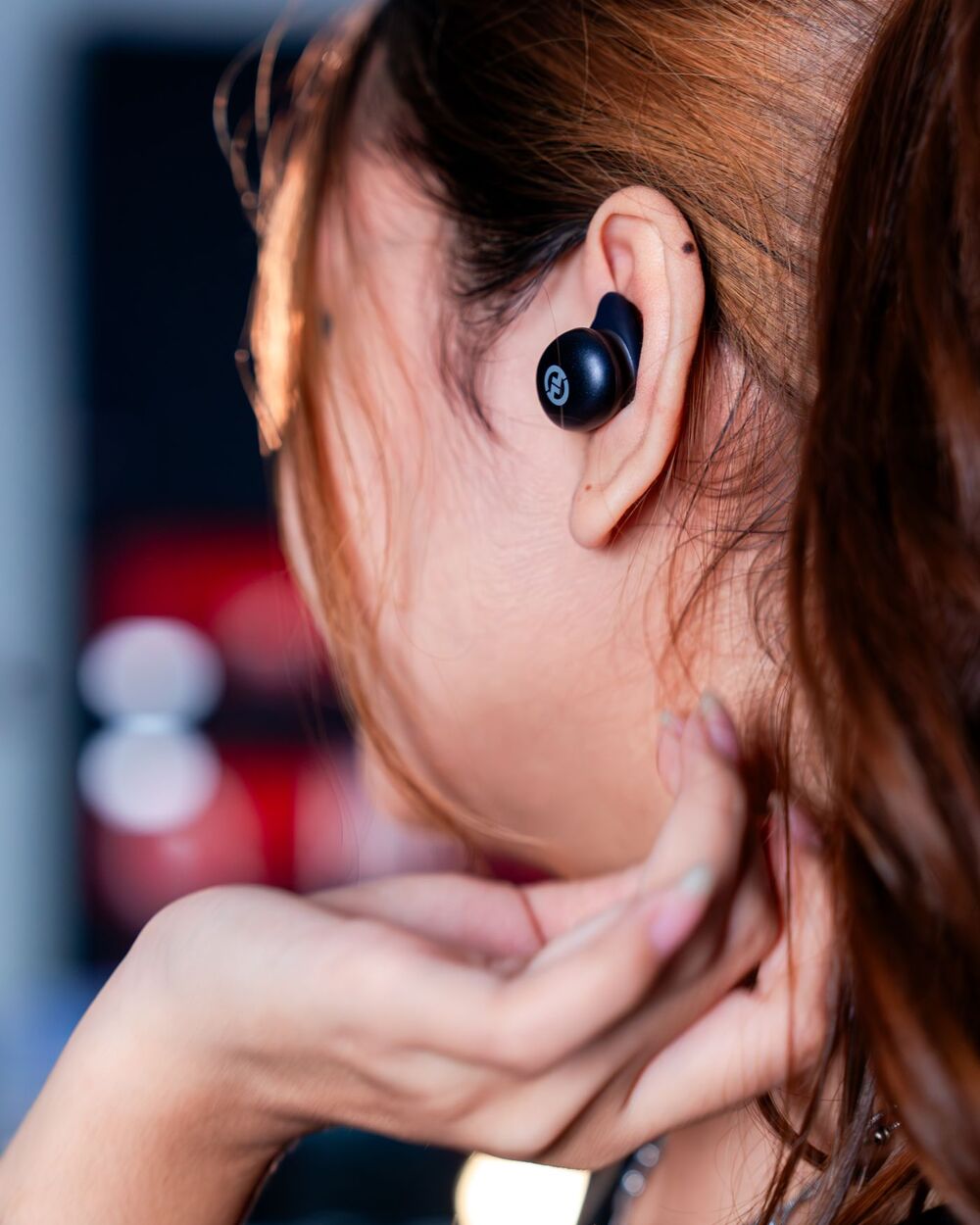
In-ear Lull Pod
The lightest and the best with glasses. The seal comes from the tip, so try all three sizes: if your own voice sounds hollow and bass is thin, go one size up.
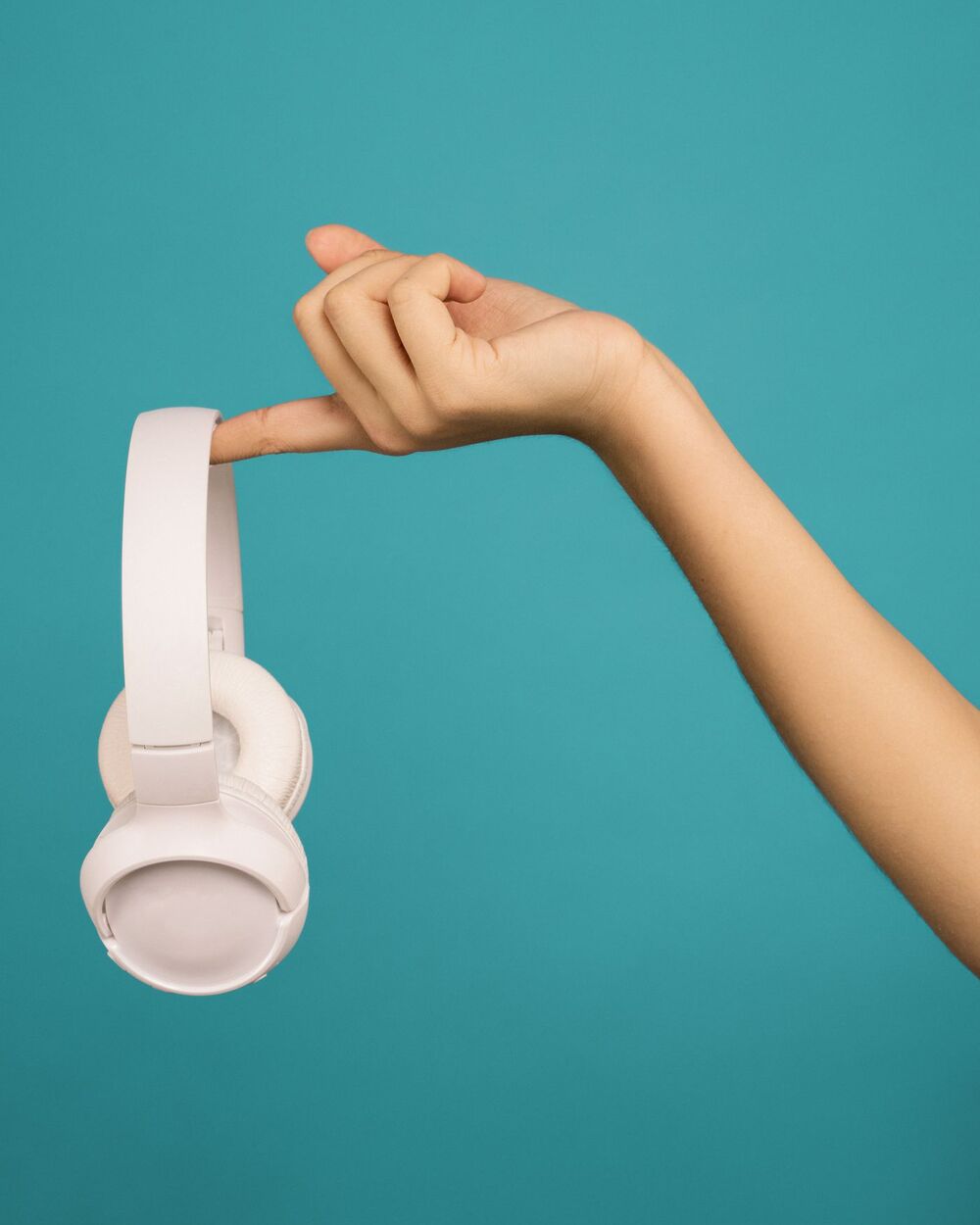
On-ear Lull Go
Light and folding, resting on the ear rather than around it. Less quiet than over-ear, and it presses on glasses after an hour or so.
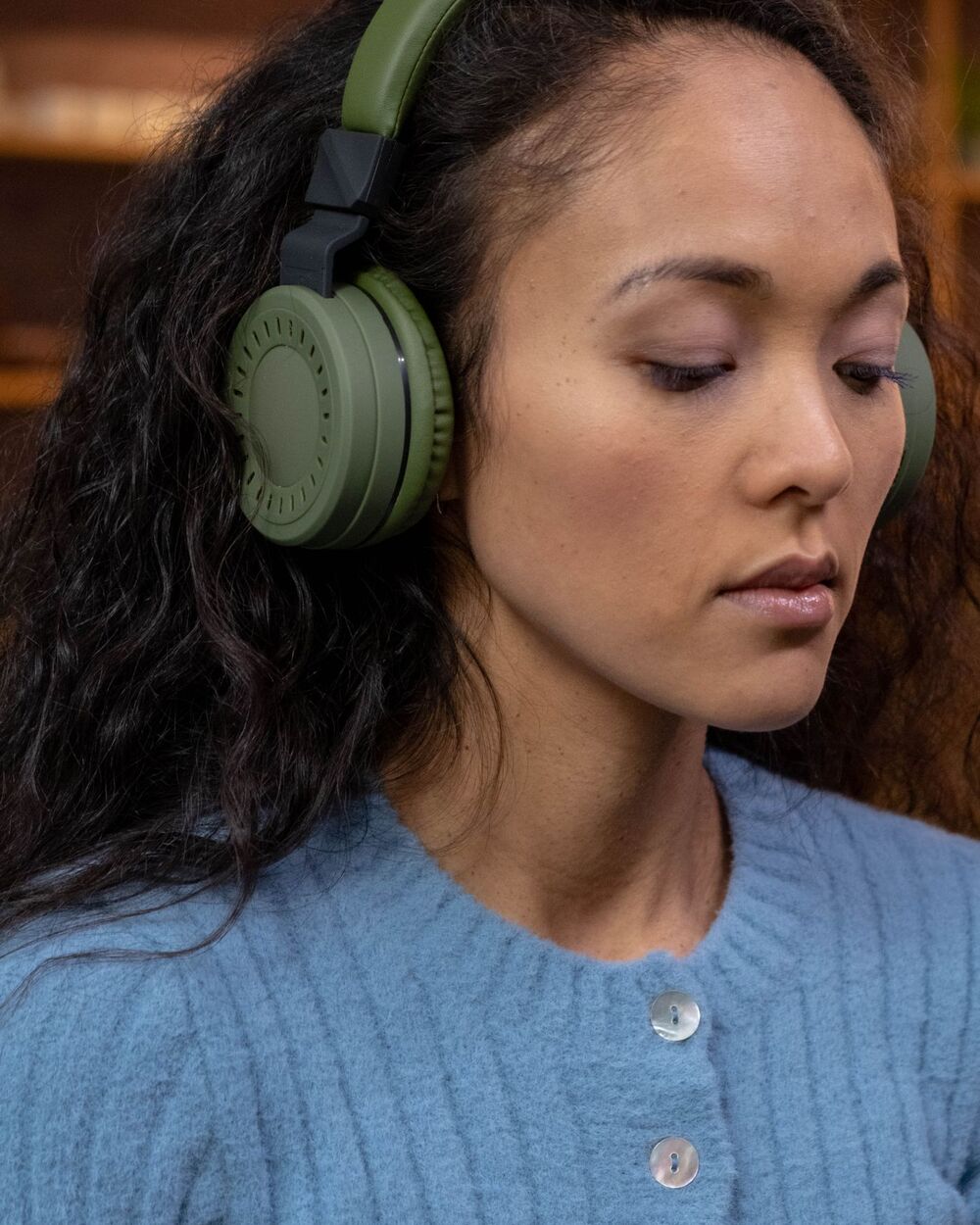
Over-ear Lull One · Lull Studio
Cushions sit around the ear, so nothing presses on it. The quietest fit, and the warmest in summer. The headband extends 4 cm each side.
Sixty nights at home.
- Try them where you live. Wear them on your commute and at your desk for sixty nights. If they are not for you, send them back free.
- Two-year guarantee. Batteries included: if one fades below 80% in two years, we replace the pair.
- Swap during the trial. Wrong colour or the wrong fit? Exchange for another model or colour, free, any time in the sixty nights.